

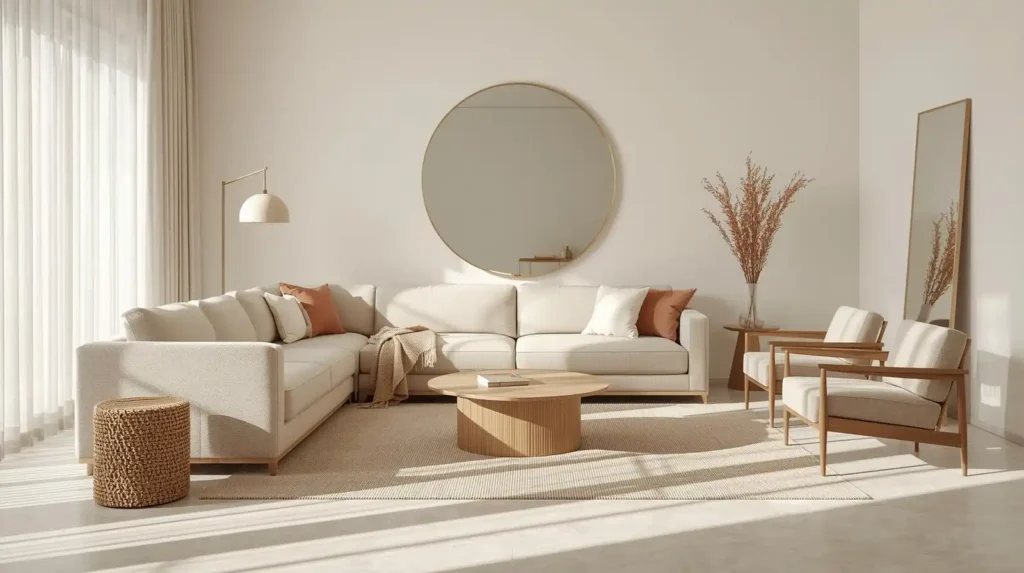
Designing your living room can be exciting, but it’s easy to feel overwhelmed. One crucial element that’s often overlooked is furniture scale in the living room. Getting the right furniture scale is key to creating a harmonious, functional space. When your furniture fits well with the room, it brings balance and makes the space feel comfortable and welcoming.
In this guide, we’ll share practical design hacks to help you scale your living room furniture perfectly. Whether you have a large area or a cozy space, these tips will help you make the most of your room and create a stylish, functional environment.
What is Furniture Scale Living Room and Why Does it Matter?
Before diving into design hacks, let’s first define furniture scale in a living room. Simply put, furniture proportions refer to the size and proportion of your furniture in relation to the size of your living room. The right scale ensures that the space feels open and inviting, without feeling cramped or too sparse.
Key Factors to Consider:
- Room Size: Larger rooms can accommodate bigger furniture pieces, while smaller rooms need more compact furniture to avoid overcrowding.
- Furniture Proportion: Ensure the size of your furniture aligns with the room’s proportions. Tall, bulky furniture might overwhelm a small room, while small-scale pieces can look lost in a spacious room.
- Flow and Movement: Proper furniture scale ensures there’s enough space to move freely around the room, creating a comfortable flow.
Hack #1: Start with a Focal Point
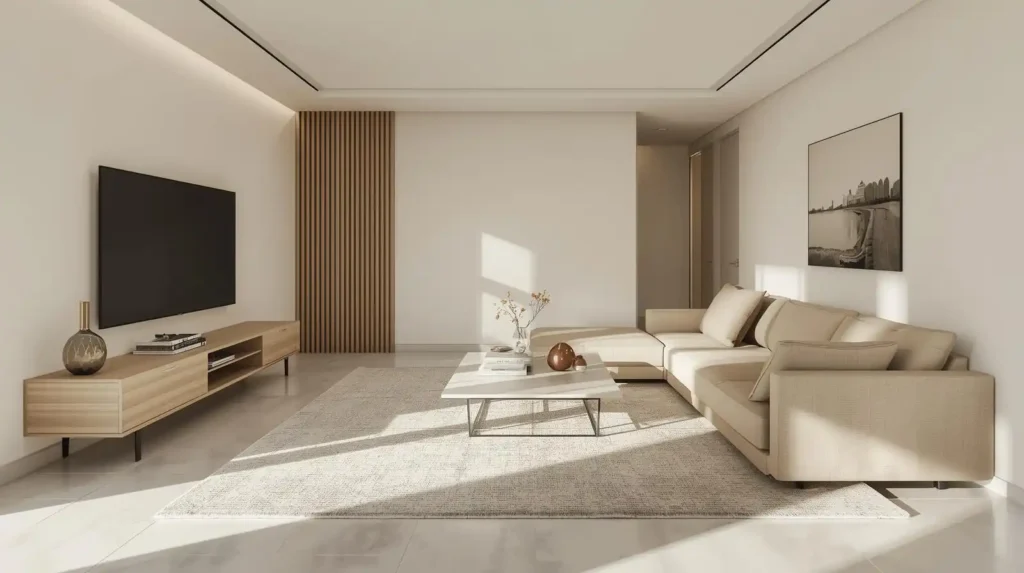
Every great living room design begins with a focal point. This could be a stunning fireplace, a statement sofa, or a captivating piece of artwork. Your furniture should be chosen and scaled in a way that complements and enhances this focal point, creating a balanced and cohesive look in the room.
When selecting furniture, ensure it complements your focal point to avoid overwhelming the space.
Tips:
- If your focal point is a large TV, opt for a sectional sofa or a modular couch that provides ample seating without detracting from the screen’s visual presence.
- For smaller living rooms, opt for minimalist, sleek furniture that complements the focal point. Consider low-profile seating and open spaces to maintain a sense of openness and prevent the room from feeling overcrowded.
Hack #2: Use the Right Proportions for Furniture
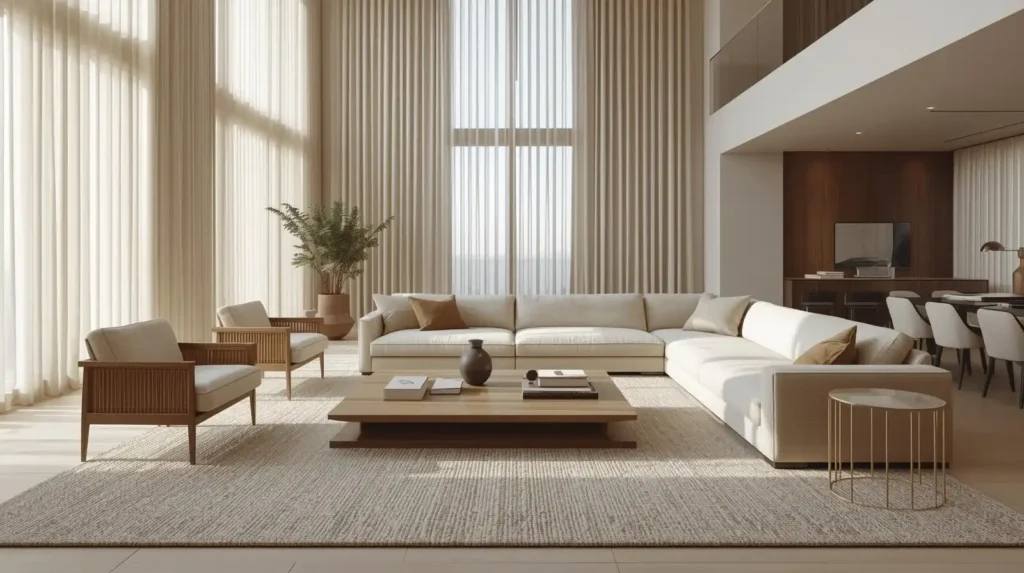
The living room furniture scale relies heavily on how each piece fits within the overall room. For example, a large sectional may look inviting but could overwhelm a smaller space. Conversely, tiny, delicate furniture might feel out of place in a spacious room.
Proportional Guidelines:
- Couch and Chairs: The size of your sofa and chairs should be in proportion to the room. For larger rooms, a spacious sectional or oversized sofa works well. For smaller rooms, a medium-sized sofa with two chairs can create a comfortable and balanced seating arrangement.
- Coffee Table: Ensure that your coffee table’s size complements your seating area. A tiny coffee table in a large room can make the space feel unbalanced, while a large table in a small room can overpower it.
Pro Tip: Consider multi-functional furniture, such as foldable tables or chairs with built-in storage, to save space without sacrificing style. These smart solutions ensure your furniture remains both practical and stylish.
Hack #3: Balance Between Furniture and Negative Space
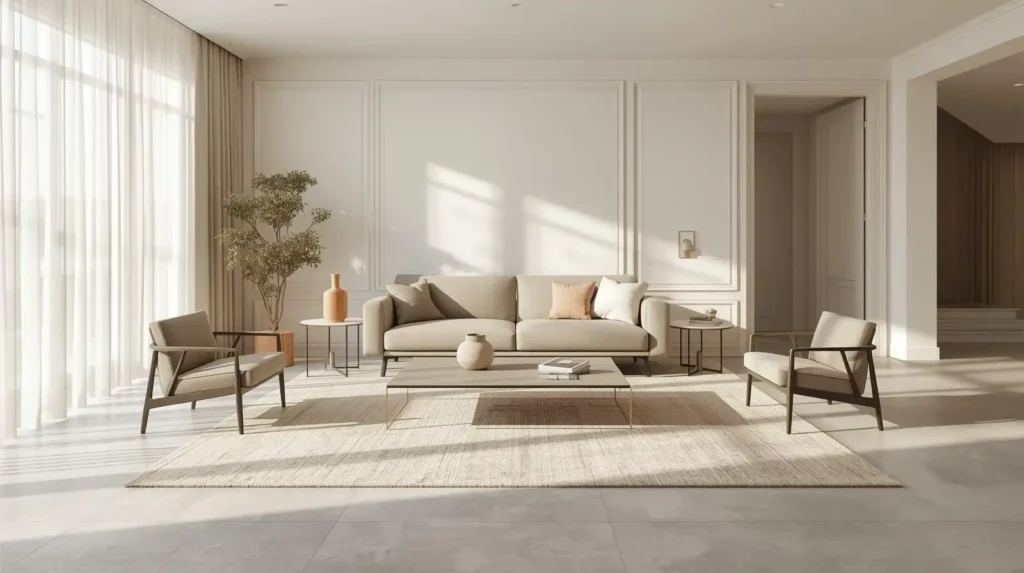
One of the most common mistakes in living room design is overcrowding the space with large furniture pieces. A well-scaled room requires a balance between furniture and negative space—the empty areas around and between furniture that help create a sense of openness.
How to Create Balance:
- Leave at least 18 to 24 inches of space around furniture to ensure easy movement and prevent the room from feeling cramped.
- In tighter spaces, opt for slim-profile furniture that takes up less visual space, helping to maintain an airy, open feel.
By balancing furniture with negative space, you can avoid a cluttered look and enhance the room’s overall flow and functionality.
Hack #4: Layer and Scale Furniture Heights
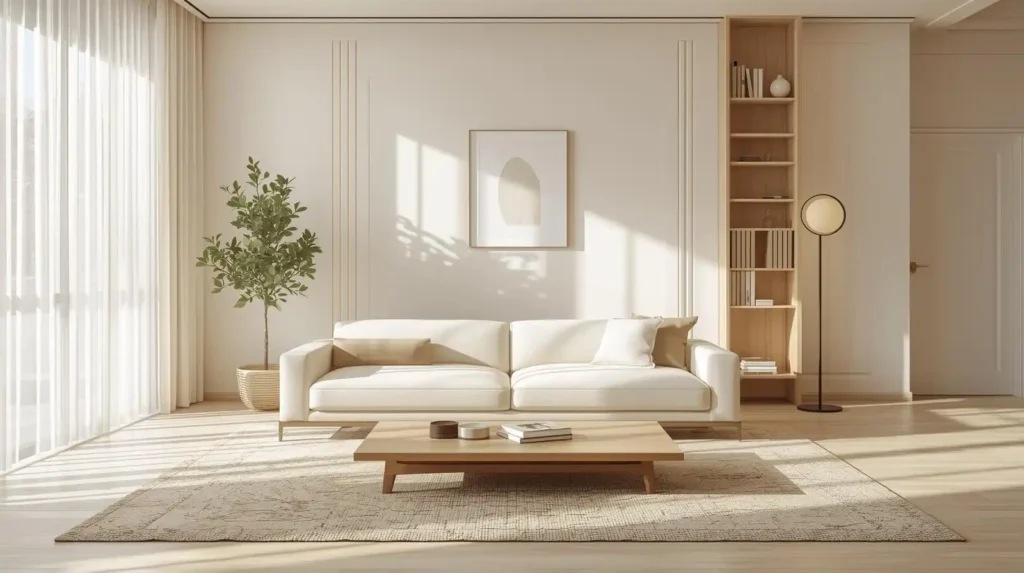
To create a balanced and dynamic living room, it’s important to vary the heights of your furniture pieces. Layering furniture of different heights adds depth and visual interest, preventing the room from feeling flat or monotonous.
How to Layer:
- Combine low-profile furniture, like a flat coffee table, with taller items such as bookshelves or floor lamps to create a contrast in height.
- Consider accent chairs with higher backs to add visual variety and provide contrast to your lower-profile seating.
This variation in height brings dimension to the room and helps create a more dynamic, visually appealing space.
Hack #5: Keep the Seating Arrangement Flexible
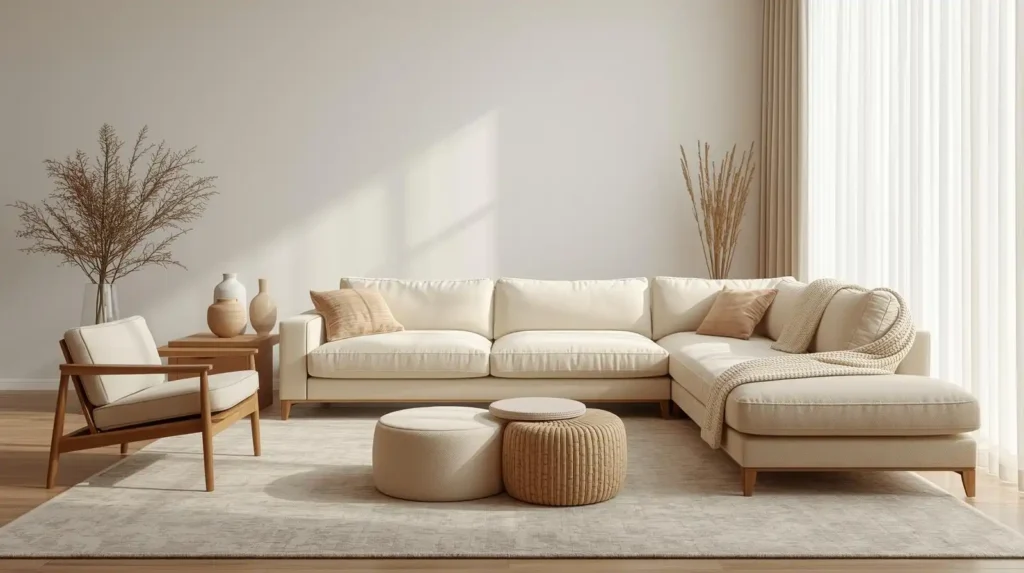
A flexible seating arrangement allows you to adjust your living room furniture based on the number of people you plan to host. Large rooms can benefit from multiple seating zones, while smaller spaces can focus on creating a cozy, intimate seating area.
Tips for Flexible Seating:
- Choose modular furniture that can be easily rearranged for different occasions, making it easy to adapt your space for both casual gatherings and formal events.
- Opt for ottomans or benches that can serve multiple purposes—providing extra seating when needed or doubling as a footrest for added comfort.
By keeping the seating arrangement flexible, you ensure that your living room adapts to your changing needs without sacrificing style or comfort.
Hack #6: Consider Visual Weight and Color
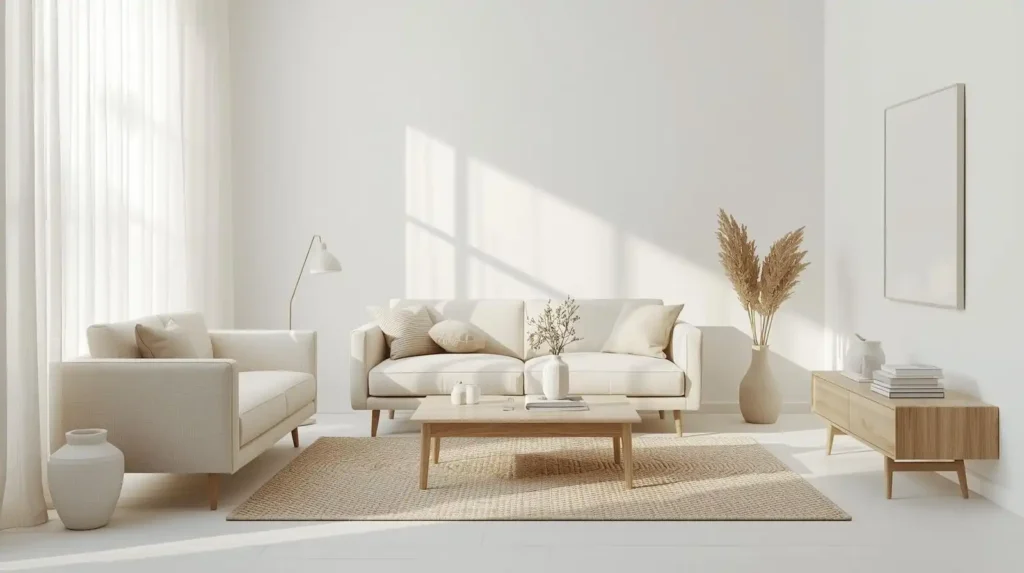
The color and visual weight of your furniture have a significant impact on how it scales within your living room. Lighter colors create an illusion of more space, making a room feel larger, while darker tones bring a sense of warmth and coziness. Similarly, bulky, heavy furniture can make a room feel cramped, while lighter, airier pieces help open up the space.
Tips for Visual Weight:
- For smaller rooms, choose light-colored fabrics for larger furniture pieces to keep the space feeling open and airy.
- In larger spaces, experiment with darker tones to create a more grounded, sophisticated look without overwhelming the room.
By understanding the relationship between color, visual weight, and furniture scale, you can make your living room feel both spacious and inviting.
Explore: Top 10 Modern Home Decor Items to Transform Your Space
Hack #7: Scale Your Rugs and Accessories
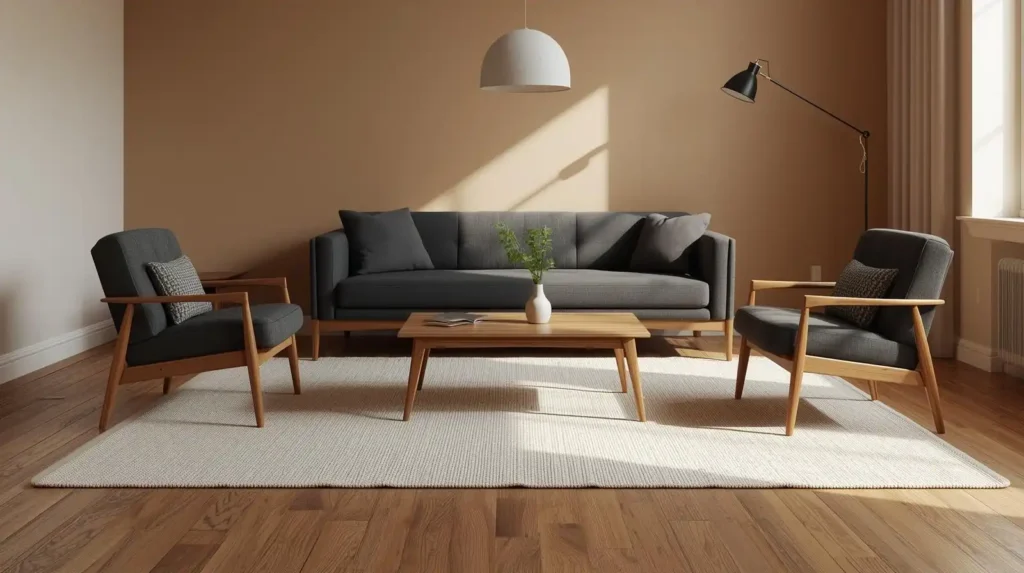
When scaling furniture in your living room, it’s important not to overlook rugs, accessories, and other décor items. Rugs, in particular, can help anchor your furniture and define different areas within the room. The right-sized rug not only complements the furniture but also influences the perceived size of the room, making it feel either more expansive or more intimate.
Tips for Rugs and Accessories:
- For a balanced look, make sure the rug fits under the front legs of your furniture, ensuring it ties the seating area together without looking out of place.
- Use scalable lighting, such as pendant lights or adjustable lamps, to create visual height and dimension, adding character to the room without overwhelming the space.
By thoughtfully choosing rugs and accessories, you can enhance the overall balance of your living room while maintaining a visually appealing scale.
Hack #8: Avoid Overcrowding the Room
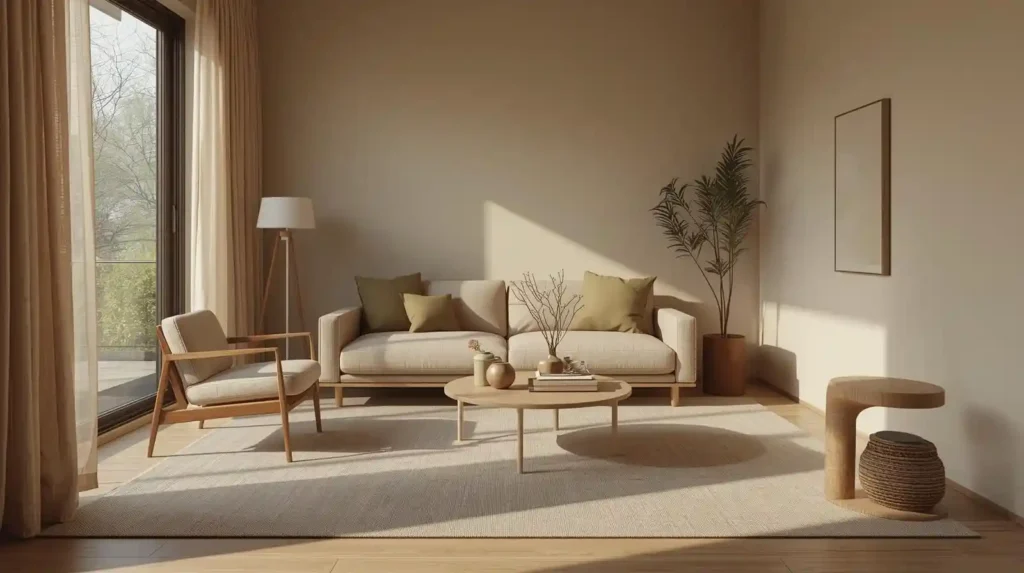
One of the biggest challenges in scaling furniture is avoiding overcrowding. In a small room, adding too many large furniture pieces can make the space feel cramped and uncomfortable, defeating the purpose of creating an inviting atmosphere.
How to Avoid Overcrowding:
- Prioritize essential furniture that offers both function and style, ensuring that each piece serves a purpose without overcrowding the space.
- Declutter by keeping only the necessary décor items that enhance the room’s aesthetic. Be mindful not to overwhelm the space with excess items, which can create a feeling of clutter and restrict movement.
By keeping the room open and uncluttered, you can maintain a spacious, comfortable environment that feels balanced and inviting.
Hack #9: Use Mirrors to Enhance the Scale
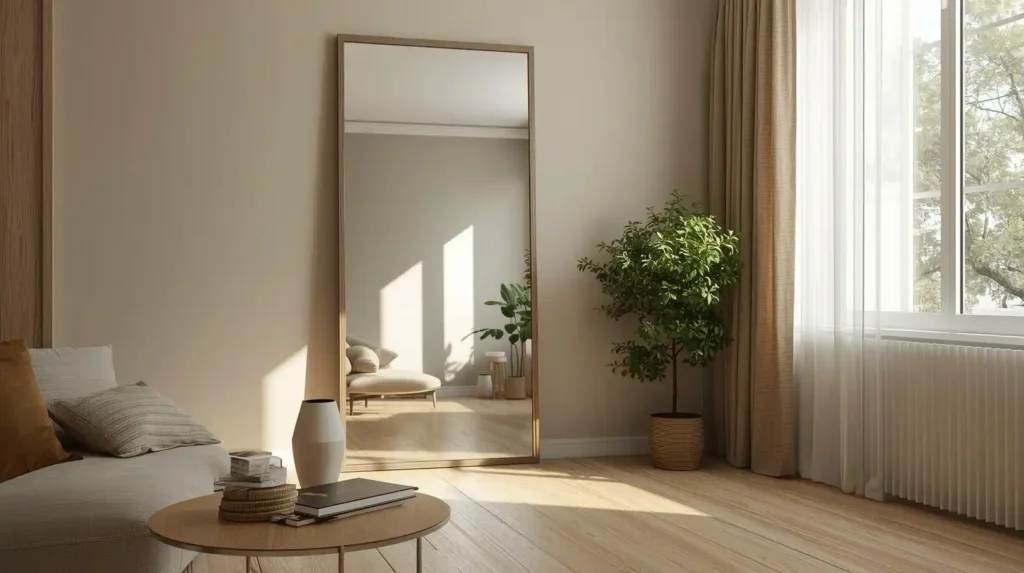
Mirrors are a powerful tool for visually expanding a room. They reflect light, making the space feel larger and brighter, and can also help furniture appear more proportional within the room’s layout.
How to Use Mirrors:
- Hang a large mirror on one wall to create the illusion of more space and balance the scale of your furniture. This reflection opens up the room, enhancing both light and depth.
- However, avoid overusing mirrors in small spaces, as too many mirrors can make the room feel overly reflective and create a sense of being boxed in.
When used strategically, mirrors can make your living room feel more spacious and balanced, without overwhelming the design.
Explore: 14 Easy Ways to Decorate a Living Room for a Trendy Look
Hack #10: Use Custom Furniture for Better Scale
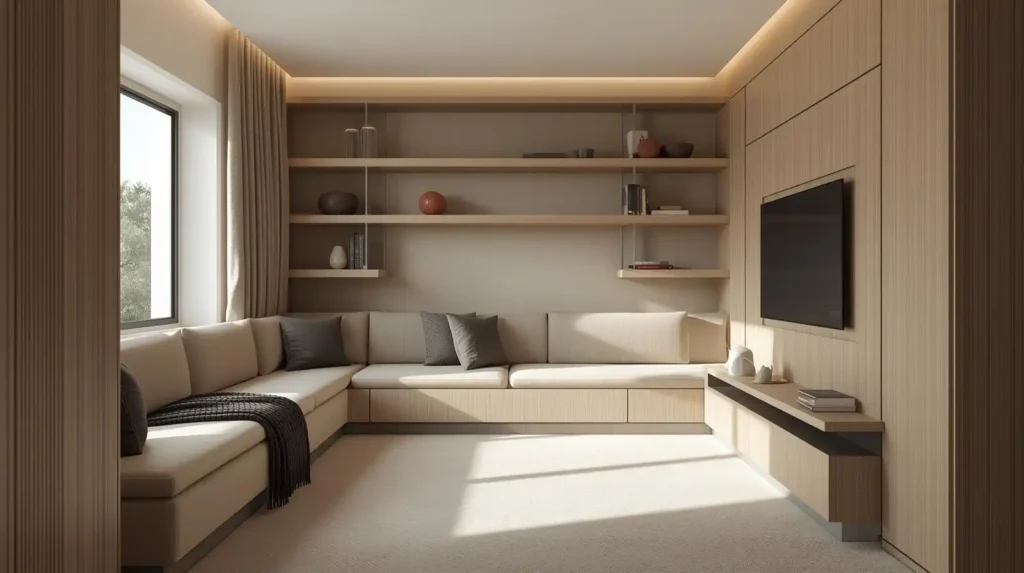
When working with tricky room dimensions, custom-made furniture can be the perfect solution. It allows you to achieve the ideal scale that complements your space, offering a tailored approach that ensures both style and functionality.
Why Custom Furniture Works:
- Tailored sizing: Custom pieces are designed to fit perfectly into your living room, whether you’re working with a compact apartment or a spacious open-concept area.
- Style and functionality: With custom furniture, you have full control over the materials, colors, and designs, ensuring the pieces align perfectly with your living room’s overall vibe and needs.
Custom furniture not only enhances the scale of your space but also ensures that every piece contributes to both the aesthetic and practical aspects of your room.
Conclusion
Scaling furniture in your living room may seem challenging, but with the right design hacks, you can create a stylish and functional space. The key is to maintain balance, ensuring each piece serves both practical and aesthetic purposes. Properly scaled furniture will make your room feel welcoming and well-proportioned.
Whether you’re working with a cozy or spacious living room, these tips will help you achieve the perfect furniture scale. For more expert advice, explore trusted home decor websites or consult with professional designers for personalized guidance.
FAQs
1. What is the best furniture scale for a small living room?
Opt for compact, low-profile furniture like a medium-sized sofa and a small coffee table. Keep the space open with minimalist pieces and multi-functional furniture like ottomans with storage.
2. How can I make my living room look bigger with furniture?
Use light-colored furniture and slim-profile seating. Mirrors and glass tables reflect light and make the room feel larger. Avoid bulky furniture that overwhelms the space.
3. Can custom furniture improve the scale of my living room?
Yes, custom furniture fits perfectly in any room, making it more functional and stylish. It helps maximize space and enhances scale without compromise.
4. What is the best way to use rugs in living room furniture scaling?
Ensure the rug fits under the front legs of your furniture. In small rooms, use a smaller rug to avoid overwhelming the space.
5. How do I select the right coffee table size for my living room?
Choose a coffee table that’s two-thirds the length of your sofa. In larger rooms, go for a bigger table; in smaller rooms, choose a smaller, sleek table.
6. What color furniture makes a living room feel bigger?
Lighter shades like white, light gray, and beige create a sense of space. Darker tones can be used in larger rooms for a cozier feel.