

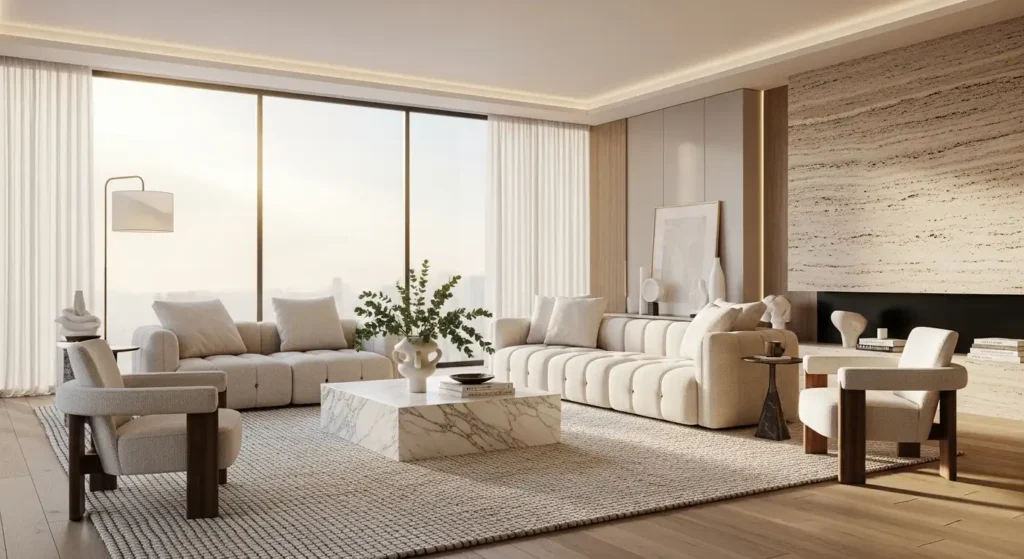
A living room can look stylish on the surface yet still feel slightly off, and in most cases, the issue comes down to living room rug placement. You might have the right sofa, beautiful décor, and a well-chosen colour palette, but when the rug is not positioned correctly, the entire space can feel disconnected. This is exactly why understanding how to position a rug in a living room is so important, it brings everything together and creates a sense of balance.
Interior designers never treat rugs as simple accessories. They see them as the foundation that anchors the entire layout. Instead of just following basic rules, the real goal is to think like a designer, using practical decisions, real-life layout solutions, and visual awareness to create a space that feels intentional, cohesive, and effortlessly put together.
Why Rug Placement Changes Everything
Before diving into layouts, one thing is clear: a rug is not just there to fill space. The right area rug placement in the living room sets the foundation for how your entire room looks and feels.
When placed correctly, a rug can:
- Connect your furniture into one cohesive setup
- Make the room feel bigger and more open
- Define a clear seating area
- Add warmth, texture, and depth
- Give your space a polished, finished look
Now picture the opposite. A small rug sits in the centre, not touching any furniture, making everything feel disconnected. This is a common living room rug placement mistake, and it shows why understanding where to place a rug in living room layouts can completely transform your space.
The Designer Mindset (This Changes Everything)
Before jumping into rules, shift your thinking. A rug is not there to decorate your floor, it is there to anchor your furniture.
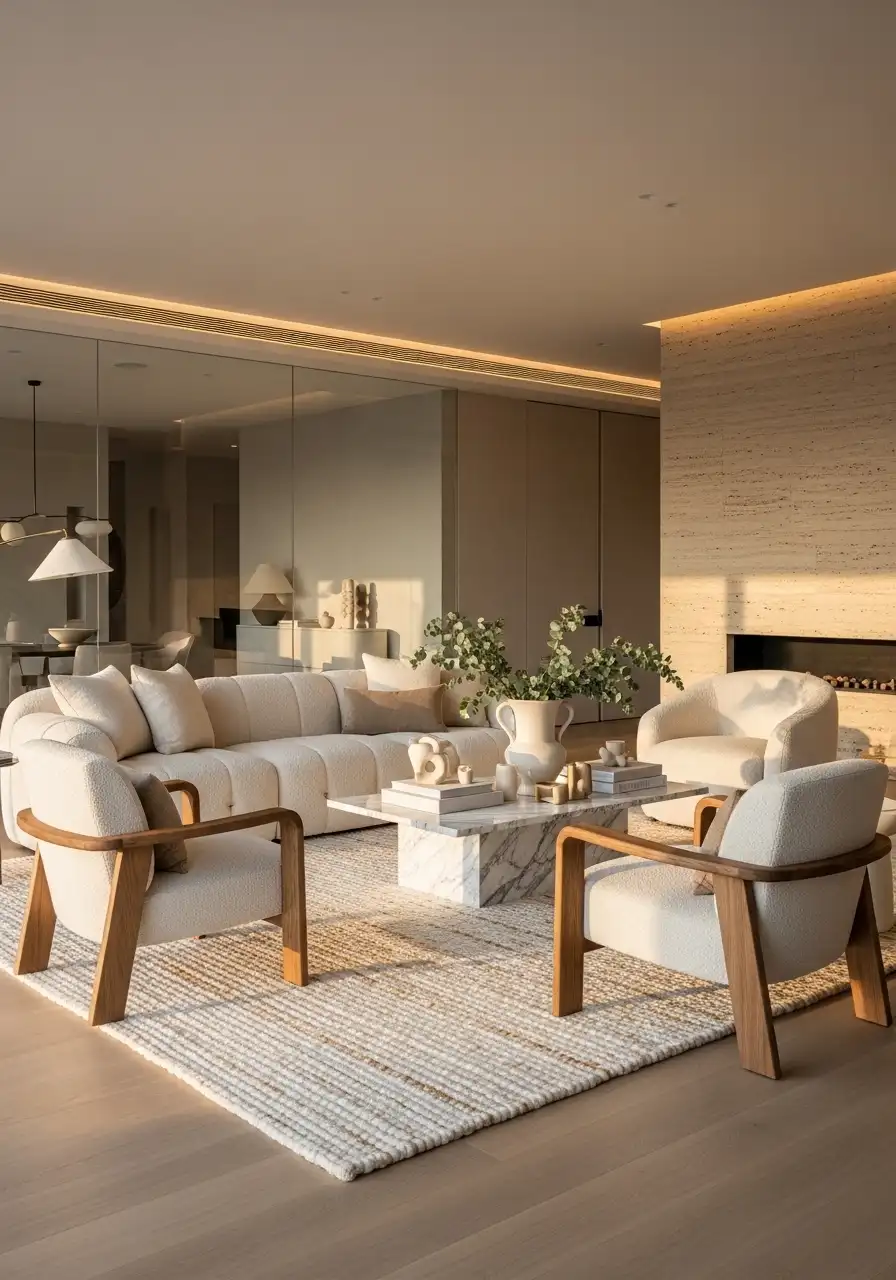
Whenever you are deciding on living rug placement, ask yourself:
- Does this rug connect everything together?
- Or is it just sitting there separately?
This simple mindset shift can instantly improve your living room rug positioning ideas and make your space feel more intentional and well-designed.
The 3 Core Rug Layouts Designers Always Use
These are not random ideas. These are real, tested area rug positioning strategies used in actual homes.
1. All Furniture Legs on the Rug (Luxury Layout)
This layout is commonly seen in high-end interiors where everything feels intentional and well-connected.
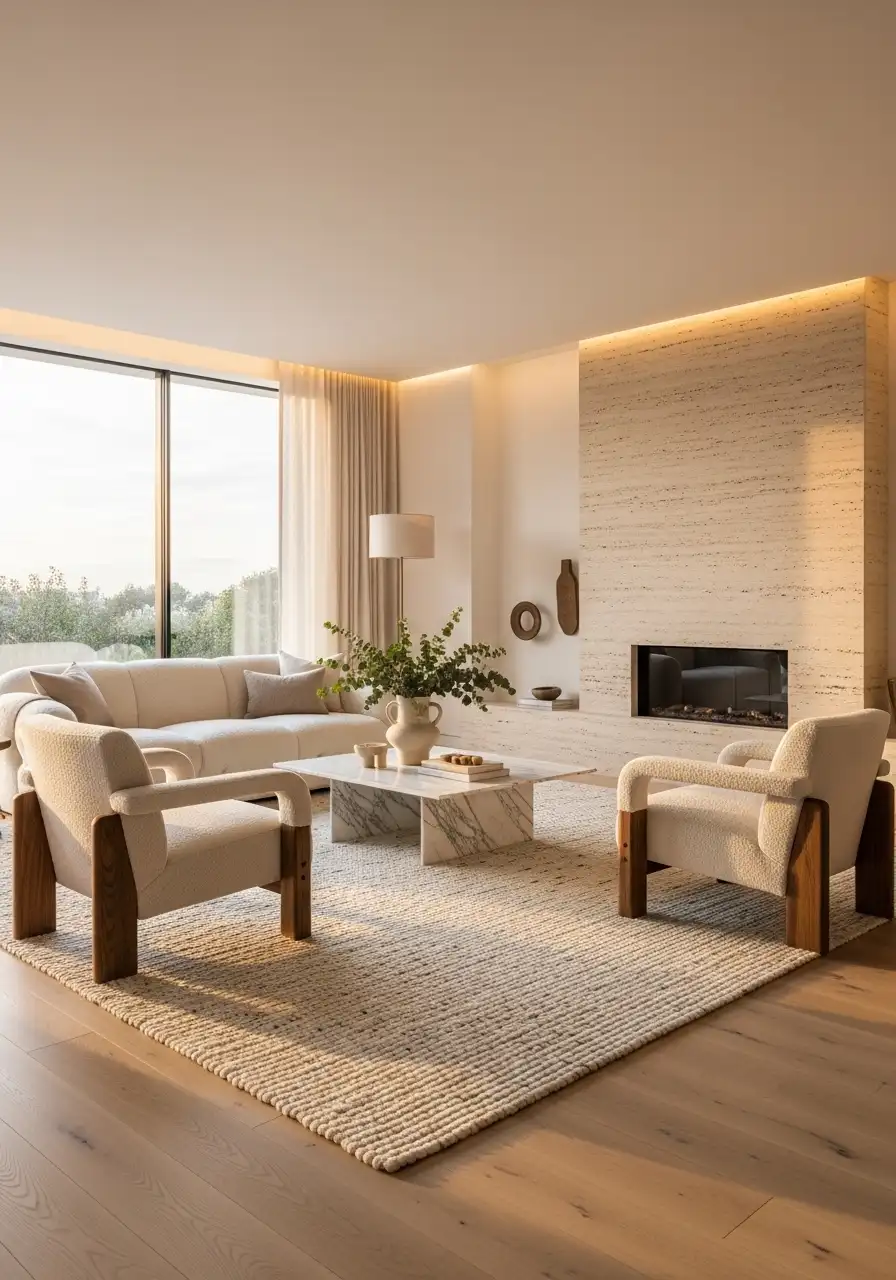
What it looks like:
- The sofa is fully placed on the rug, creating a grounded seating area.
- The chairs also sit completely on the rug, helping unify the layout.
- The coffee table is centred for a balanced finish.
Visualise this:
A large soft rug extends beyond the entire seating area, with all furniture sitting comfortably on it. The space immediately feels calm, balanced, and premium.
When to use it:
- It works best in large living rooms.
- It is ideal for open-plan spaces that need clear zoning.
- It is perfect if you want a luxury, hotel-style look.
Real tip:
Make sure the rug extends at least 6–8 inches beyond your furniture; otherwise, the layout can feel visually incomplete.
This is one of the strongest living room rug inspiration styles for a designer finish.
2. Front Legs on the Rug (Most Practical Setup)
This is the most reliable and widely used option for everyday homes, especially when you want balance without needing an oversized rug.
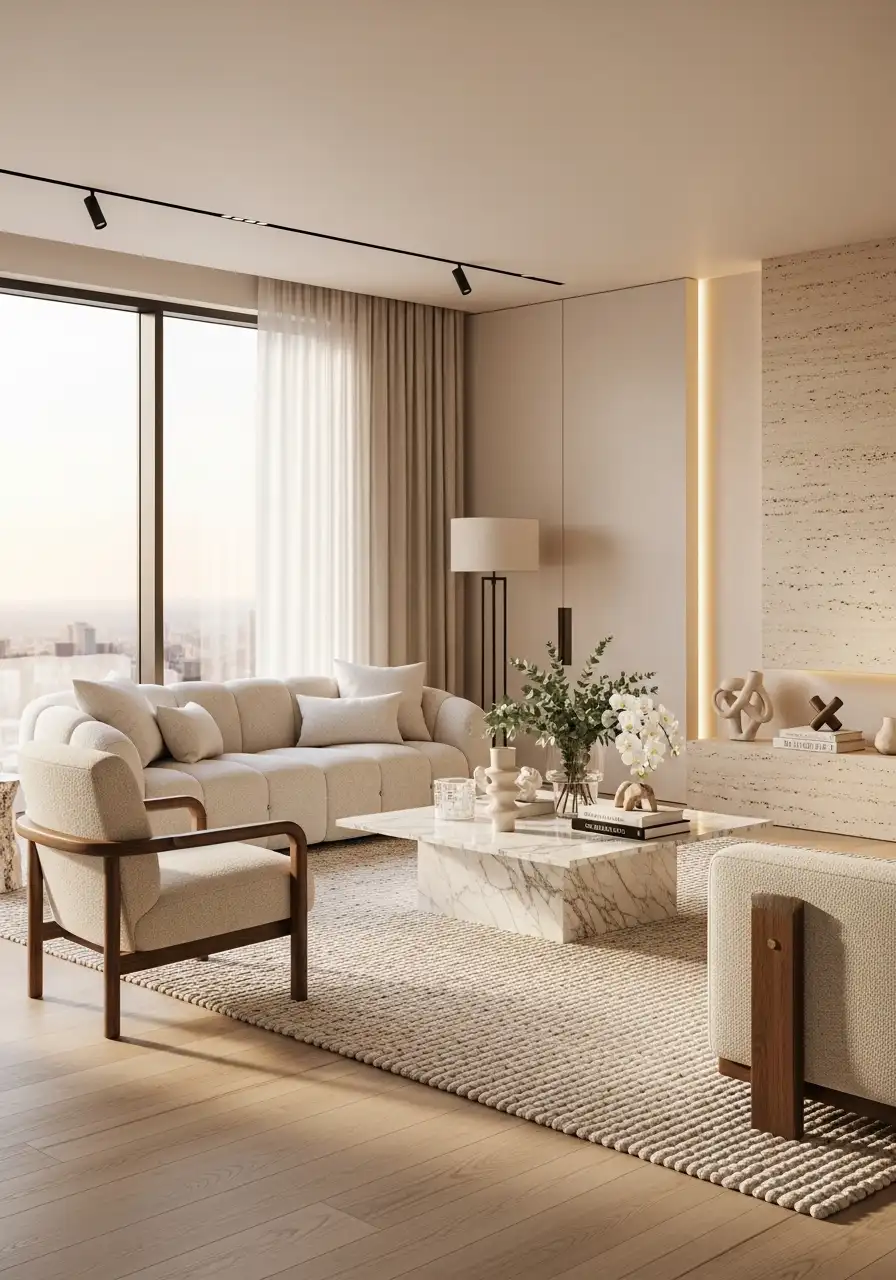
What it looks like:
- The front legs of the sofa and chairs are placed on the rug, helping anchor the seating area.
- The back legs remain off the rug, keeping the layout light and flexible.
Real-life scenario:
When your sofa is placed against a wall and the rug feels slightly smaller than ideal, this setup instantly connects the furniture to the space without requiring a larger rug.
Why it works:
- It is budget-friendly because it does not require an extra-large rug.
- It creates a visually balanced and connected seating arrangement.
- It works well in almost every living room layout.
This is one of the most commonly used living room rug ideas for achieving a clean and practical design.
Explore Related Ideas: How to Choose Rug Size for Living Room: The Only Guide You’ll Ever Need
3. Coffee Table Only (Use Carefully)
This layout is often used in smaller spaces, but it needs thoughtful styling to avoid an unfinished look.
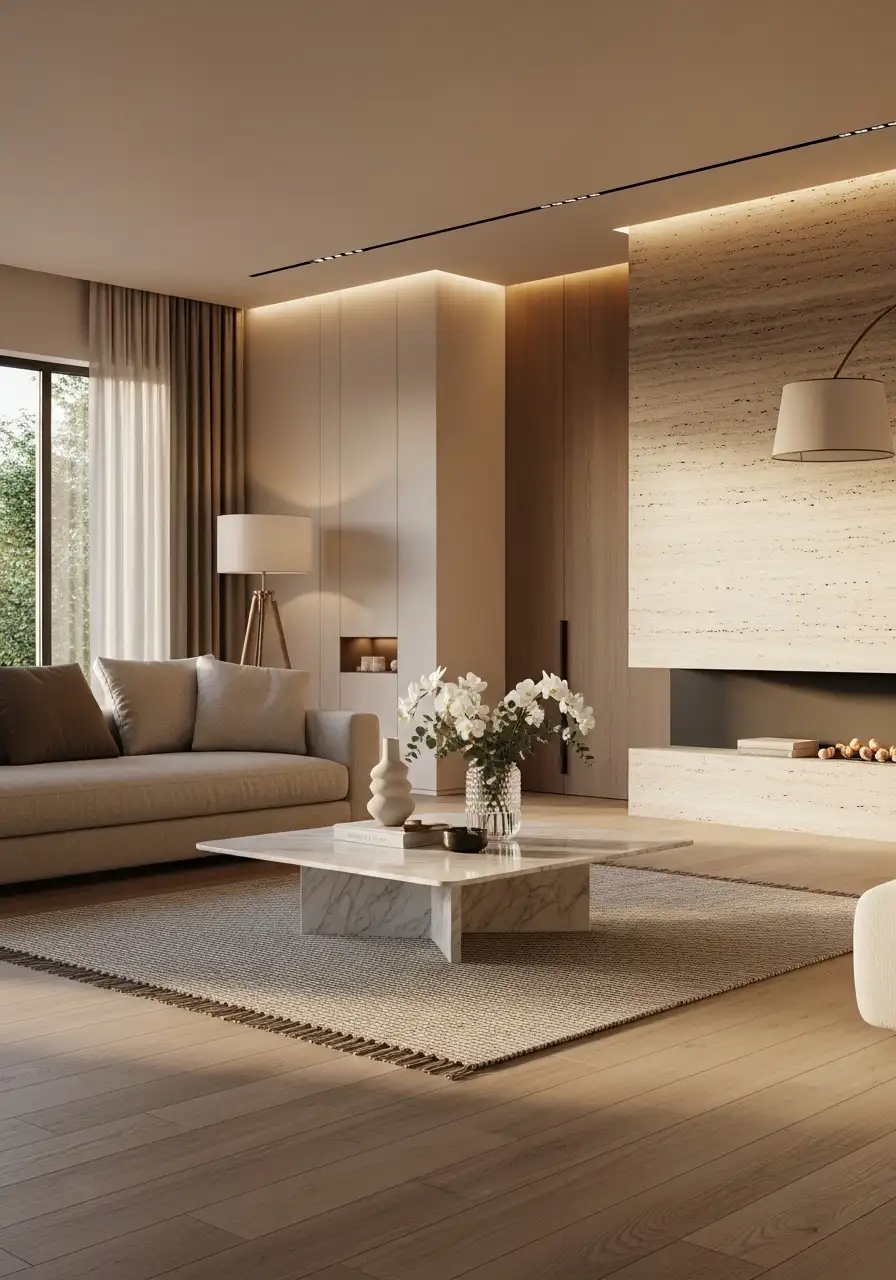
What it looks like:
- Only the coffee table is placed on the rug, creating a minimal focal point.
- The sofa and chairs remain completely off the rug, keeping the layout open.
Reality check:
If not styled properly, this setup can make the rug feel like a standalone mat rather than part of the overall design.
When it works:
- It is suitable for very small living rooms where space is limited.
- It works well in minimalist setups that focus on simplicity.
- It is ideal when you want a light, airy, and uncluttered feel.
For better rugs in the living room, ensure the rug is still proportionate to the coffee table and large enough to visually anchor the space.
How to Choose the Right Rug Size (Practical Guide)
One of the most common mistakes in living room design is simply using a rug that is too small. When the scale is wrong, even a well-decorated space can feel disconnected, which is why getting the size right is essential for proper area rug placement in the living room.
A small room usually works best with a 5×8 rug (only if space is limited), a medium room feels most balanced with an 8×10 rug, and a large room needs a 9×12 rug or bigger to maintain proportion.
Quick real-life test: Stand in your living room and check if the rug can touch at least the front legs of your sofa. If not, it is too small, and your living room rug placement will likely feel incomplete.
Where to Place a Rug in Living Room Layouts (Real Scenarios)
Now let’s make it practical with real situations people actually face when working on living room rug placement.
If You Have a Sectional Sofa
This is one of the most common layout challenges.
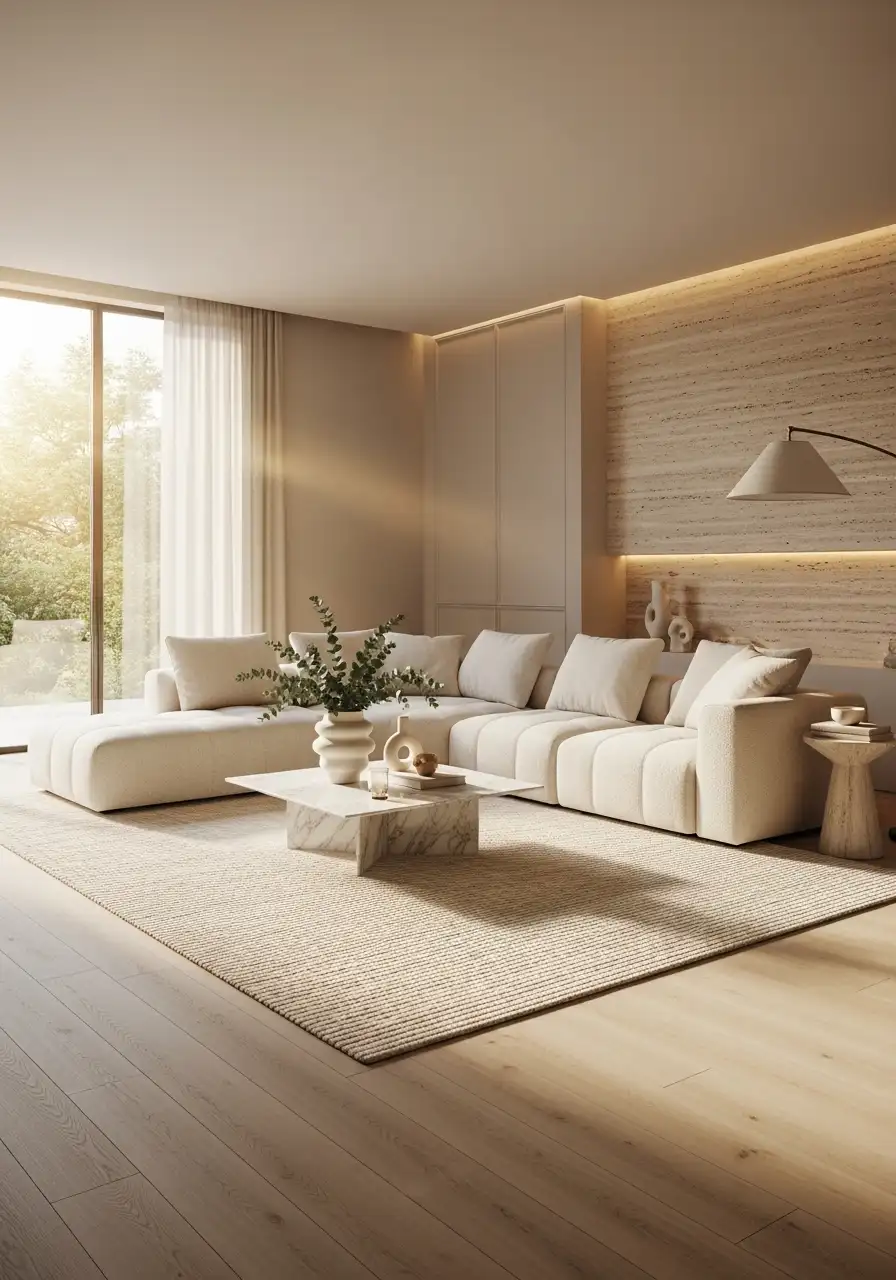
What to do:
- Place the rug under the front legs of the entire sectional.
- Ensure the rug extends slightly beyond the edges of the sofa to keep the layout balanced.
Designer insight: If the rug is only placed in the centre, the sectional will feel visually disconnected and heavy on one side. This is a key part of effective living room rug positioning ideas.
If Your Rug Looks Too Small
This is a very common issue in most homes.
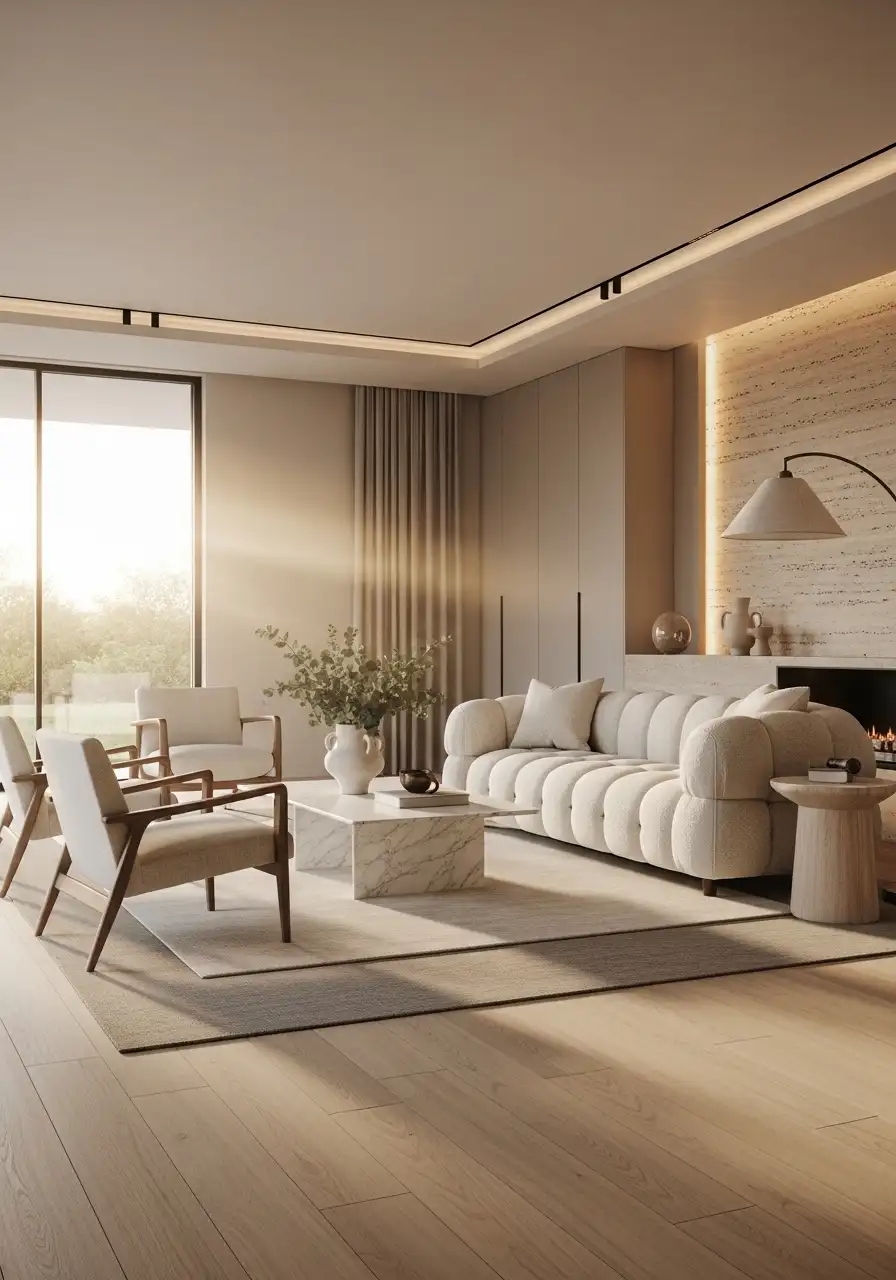
Quick fixes:
- Pull the rug slightly under the sofa to create a connection.
- Switch to a front-leg placement layout for better balance.
- Use a layering trick by placing a larger neutral rug underneath if needed.
This is where living room rug layering becomes a practical solution to instantly fix proportion issues.
Explore: 15 Best TV Wall Decor Ideas to Elevate Your Living Room
If Your Living Room Feels Disconnected
You may notice this when the space lacks flow.
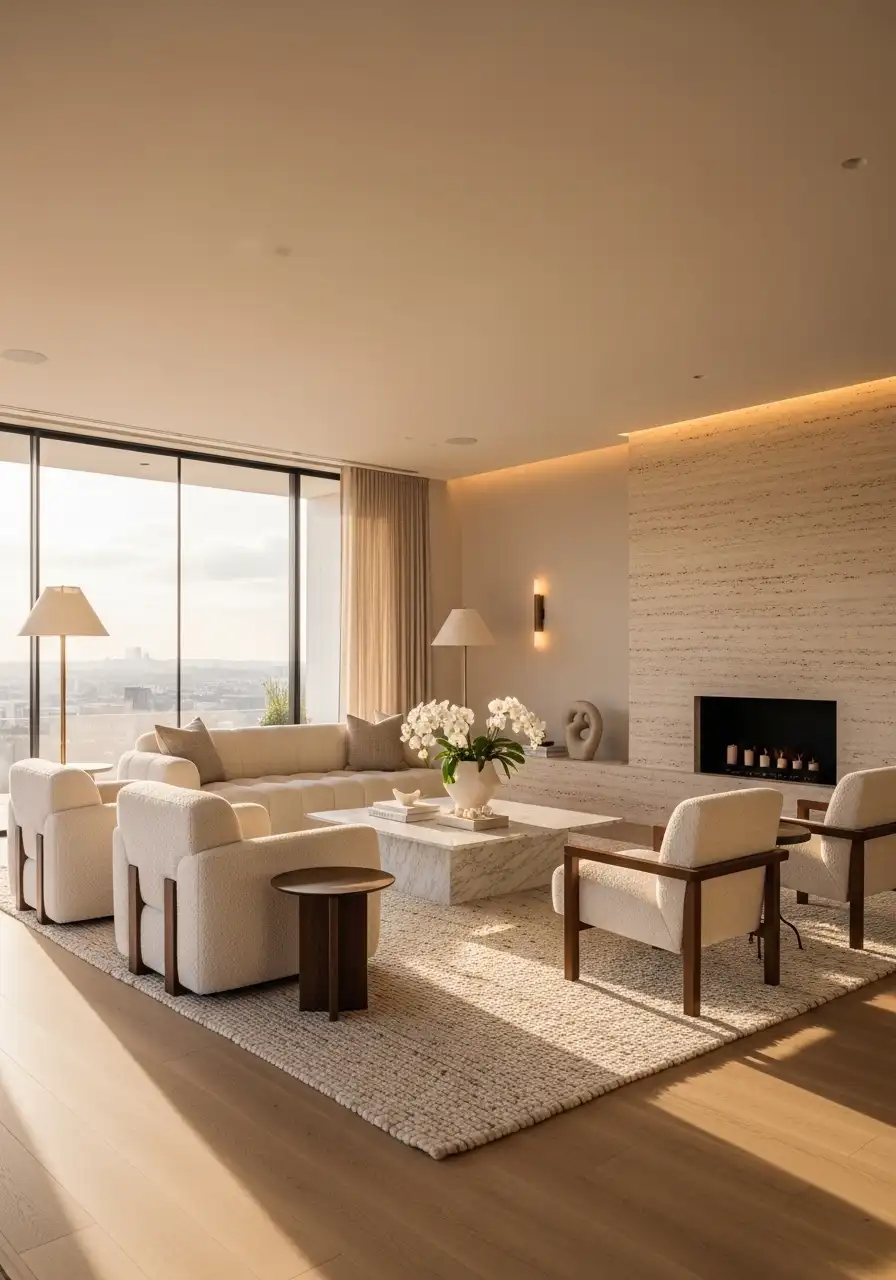
Signs:
- Furniture feels scattered
- The room looks empty even after styling
Solution:
- Use one large rug to anchor the entire seating area.
- Avoid using multiple small rugs that break visual flow.
This instantly improves overall living room rug placement and creates a more cohesive look.
If You Have an Open Plan Space
In open layouts, rugs play a zoning role.
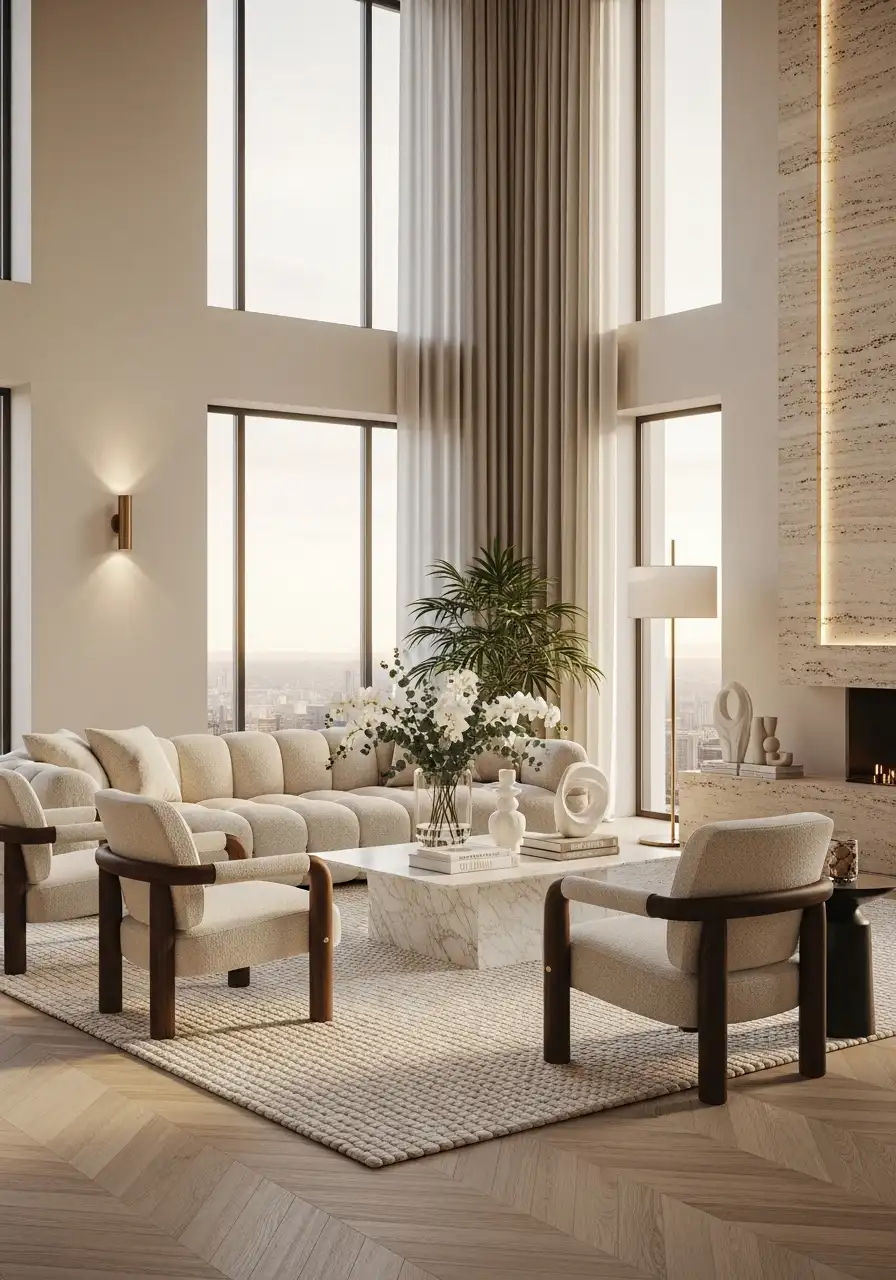
What to do:
- Use a single rug to define the seating area.
- Keep all furniture within the rug boundary for clarity.
- Align the rug with the sofa instead of the walls for a natural flow.
Think of the rug as a soft boundary that defines your living zone within a larger space.
Explore Ideas: Top 10 Modern Home Decor Items to Transform Your Space
Living Room Rug Layering (Make It Look Designer-Level)
Layering is one of the simplest ways to elevate your space and achieve a more styled, intentional look in living room rug placement.
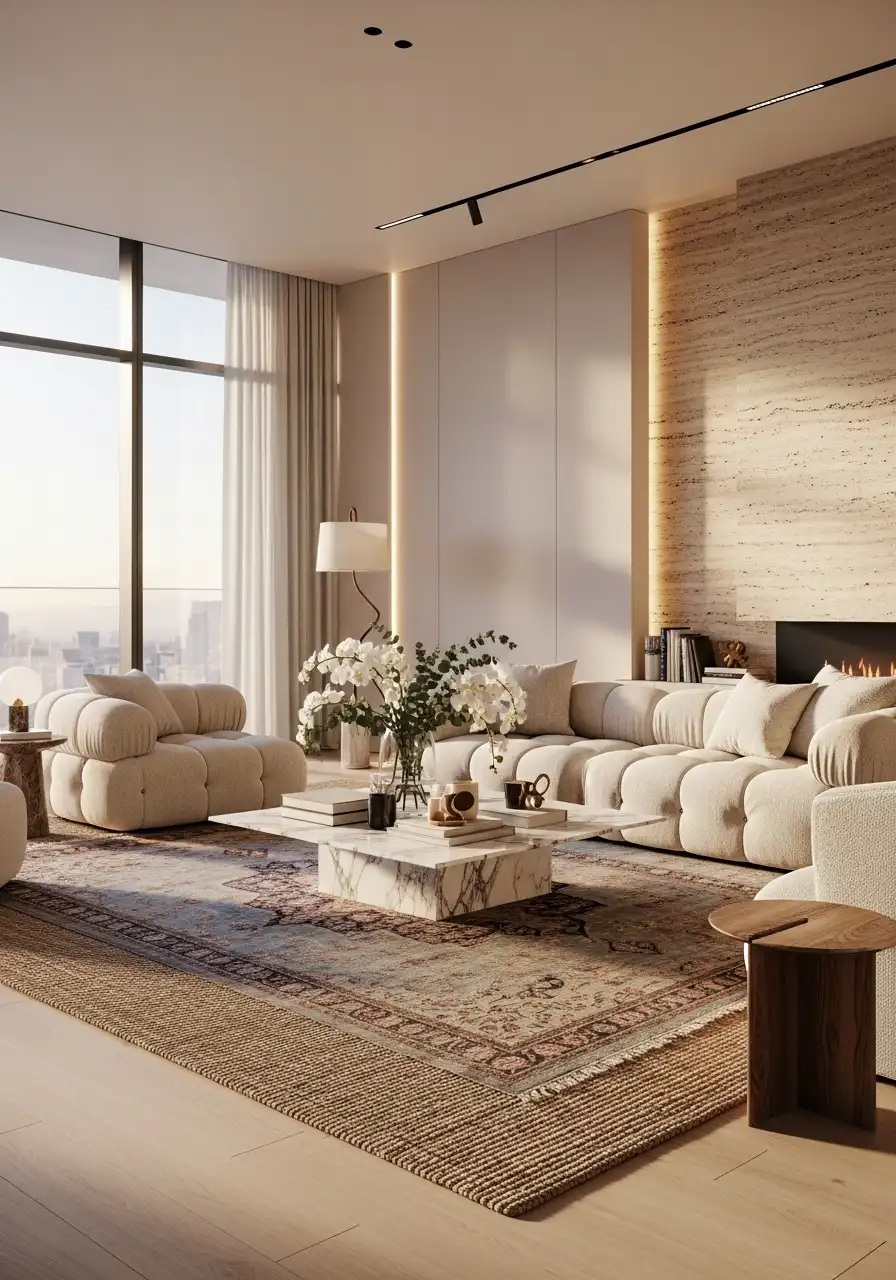
How to do it:
- Start with a large neutral base rug, such as jute or a soft plain texture, to ground the space.
- Add a smaller patterned rug on top to introduce contrast, colour, and visual interest.
Visual idea:
A large natural jute rug placed underneath, with a smaller vintage-style rug layered slightly off-centre or at a soft angle. This instantly adds depth, warmth, and a Pinterest-worthy personality to the room.
When to use it:
- When your existing rug feels too small for the space.
- When the room looks flat or lacks visual depth.
- When you want a curated, Pinterest-style living room rug inspiration look.
This layering approach is a modern technique that quickly transforms basic living room rug ideas into a more designer-level aesthetic.
Mistakes That Instantly Ruin Rug Placement
- Floating rug mistake: the rug is placed in the centre without connecting to any furniture.
- Wrong size: using a rug that is too small breaks the balance of the room.
- Wall placement: pushing the rug too close to the walls makes the space feel tight and rigid.
- Poor proportion: pairing a large sofa with a small rug creates visual imbalance.
Styling Rug Like a Pro (Simple but Powerful)
Once your living room rug placement is correct, styling the space becomes much easier and more intentional.
- Match, don’t copy: Pick colours from your rug and repeat them in cushions or décor for a cohesive look.
- Use texture smartly: Combine soft rugs with materials like wood, metal, or linen to add depth and balance.
- Let the rug lead: In some spaces, the rug can act as the main design statement and set the tone for the entire room.
A Real Example You Can Copy
Let’s make this super practical and easy to visualise for area rug placement in the living room.
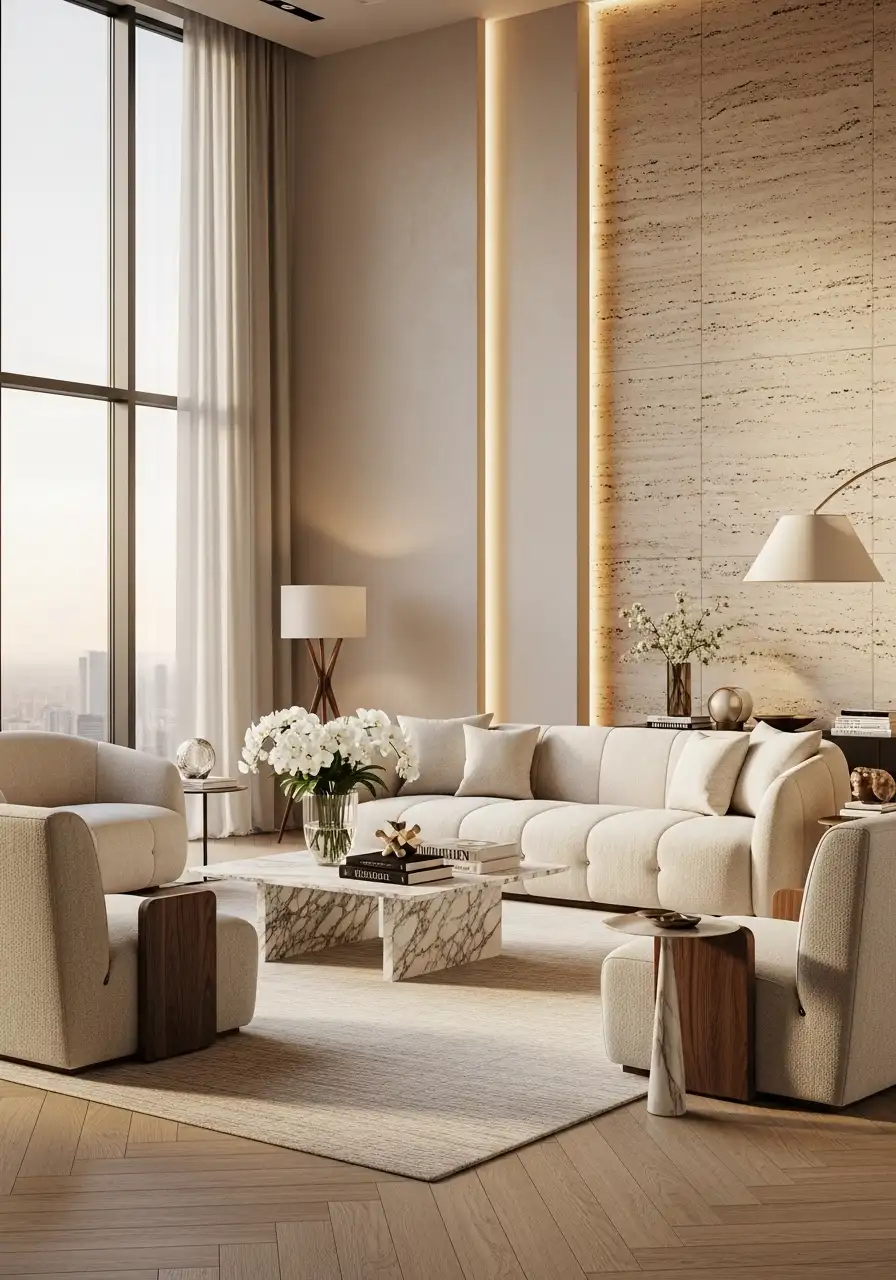
- Setup: A 3-seater sofa is placed against the wall, with two accent chairs positioned opposite and a coffee table centred in between.
- Best layout: An 8×10 rug is used, with the front legs of all seating placed on the rug to create a connection and balance.
- Result: The entire seating area feels connected, the space looks visually bigger, and the layout appears intentional and well-designed.
This is a perfect example of smart living room rug placement that instantly gives a more cohesive and designer-style finish.
Final Rug Placement Checklist Every Designer Follows
Before you finalise your living room rug placement, quickly check the following:
- Does the rug connect all your furniture into one seating area?
- Is the rug size large enough for your space and layout?
- Does the overall setup feel balanced and visually grounded?
- Can you clearly see and define the seating area at a glance?
If the answer is yes to all of these, you have successfully mastered how to position a rug in a living room.
More Ideas: Furniture Scale Living Room Design Hacks You Need to Know
Conclusion
Mastering how to position a rug in a living room is not about following strict rules, it is about understanding how a space should feel. When your rug is placed with intention, it quietly brings everything together and turns a basic room into a well-balanced, designer-style space.
The right living room rug placement helps define your seating area, connects your furniture, and adds warmth and structure without any extra effort. Whether you choose a full furniture layout, a front-leg setup, or even layering, the goal is always the same: create flow, balance, and visual harmony.
At the end of the day, a rug is not just a finishing touch, it is the foundation of your living room design. Once you start seeing it this way, every placement decision becomes easier, and your entire space instantly feels more intentional and complete.
FAQs
What is the correct way to place a rug in a living room?
The correct way depends on your furniture layout, but ideally, the rug should connect your seating area. In most cases, either all furniture legs or at least the front legs should sit on the rug to create a balanced living room rug placement.
What size rug is best for a living room?
An 8×10 rug is the most common and balanced choice for medium-sized living rooms. Smaller rooms may use 5×8, while larger spaces often need 9×12 or bigger for proper living room rug placement.
What is the most common rug placement mistake?
The most common mistake is using a rug that is too small and does not touch any furniture. This creates a “floating rug” effect and breaks the flow of the room.
How far should a rug go under a sofa?
Ideally, a rug should extend at least 6–8 inches beyond or under the sofa legs. This creates a grounded and balanced look in area rug placement in living room designs.
Do small living rooms need rugs?
Yes, small living rooms benefit greatly from rugs because they help define the seating area and make the space feel more structured and connected when done with proper living room rug placement.